Introduction
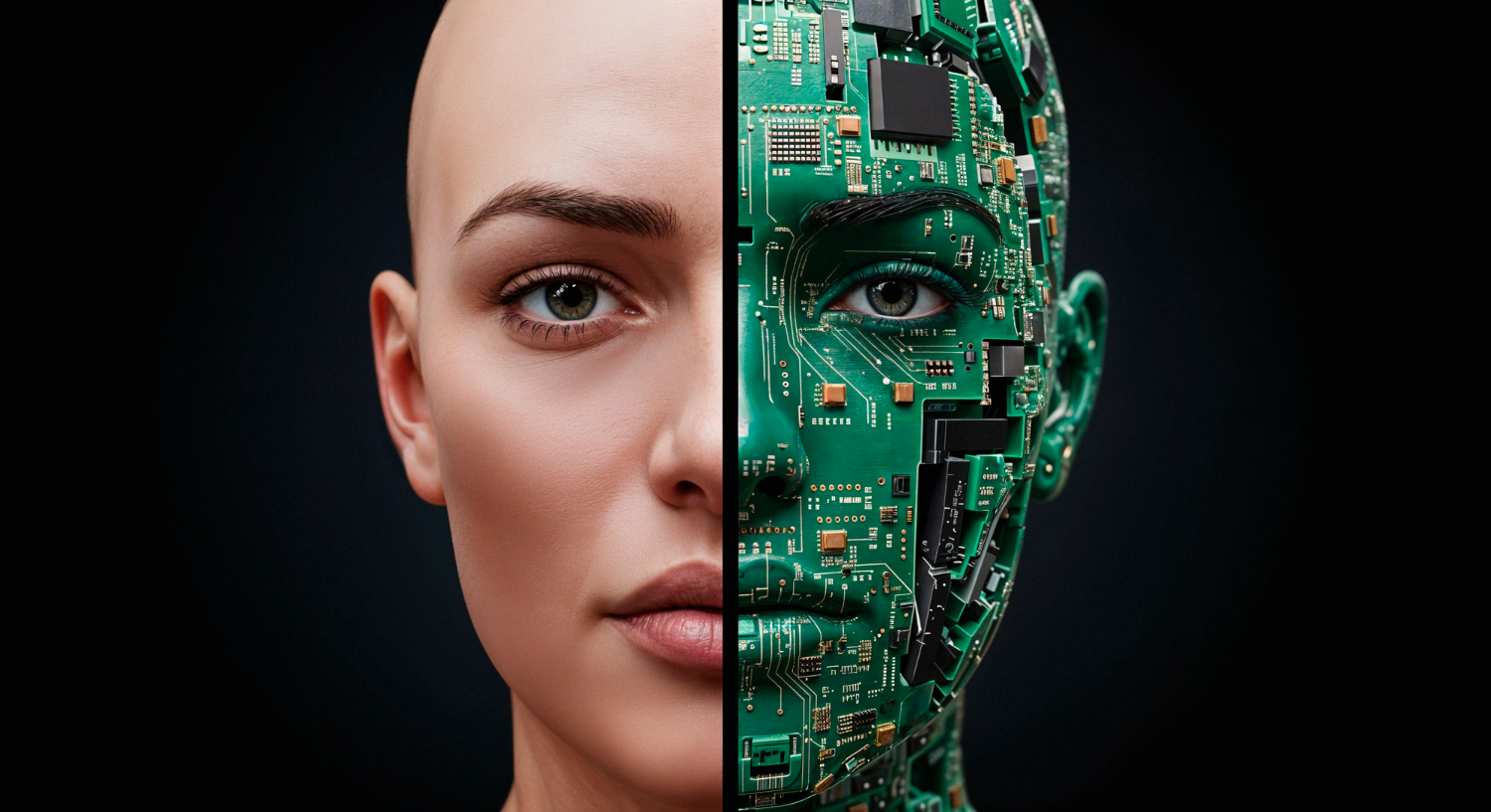
Artificial intelligence (AI) is changing healthcare. It is helping doctors diagnose and treat rare disease cases faster and more accurately. Rare diseases affect millions of people worldwide, including many in the United States. These conditions are often hard to identify because symptoms vary and data is limited. AI uses computer power and learning algorithms to process large amounts of data and assist with specific tasks. This makes problem solving easier for clinicians and researchers.
What Is Artificial Intelligence in Healthcare?
The term artificial intelligence refers to systems that mimic human intelligence to perform tasks. AI uses deep learning, neural networks, and other techniques to analyse data and make predictions. It is a subset of machine learning that focuses on improving decision support and problem solving. AI systems can process text, images, and structured data. They can learn patterns and adapt to new information. This ability is vital for treating rare disease cases where traditional methods often fail.
Why Rare Diseases Need AI
Rare diseases affect a wide range of patients. Many conditions are genetic and complex. Doctors often struggle to diagnose them because symptoms overlap with common illnesses. In the United States alone, rare diseases impact more than 30 million people. Each case requires careful analysis of medical records, genetic data, and research papers. AI helps by processing large amounts of data quickly. It can identify patterns that humans might miss. This speeds up diagnosis and improves treatment planning.
Read more: Mimicking Human Vision: Rethinking Computer Vision Systems
How AI Improves Diagnosis
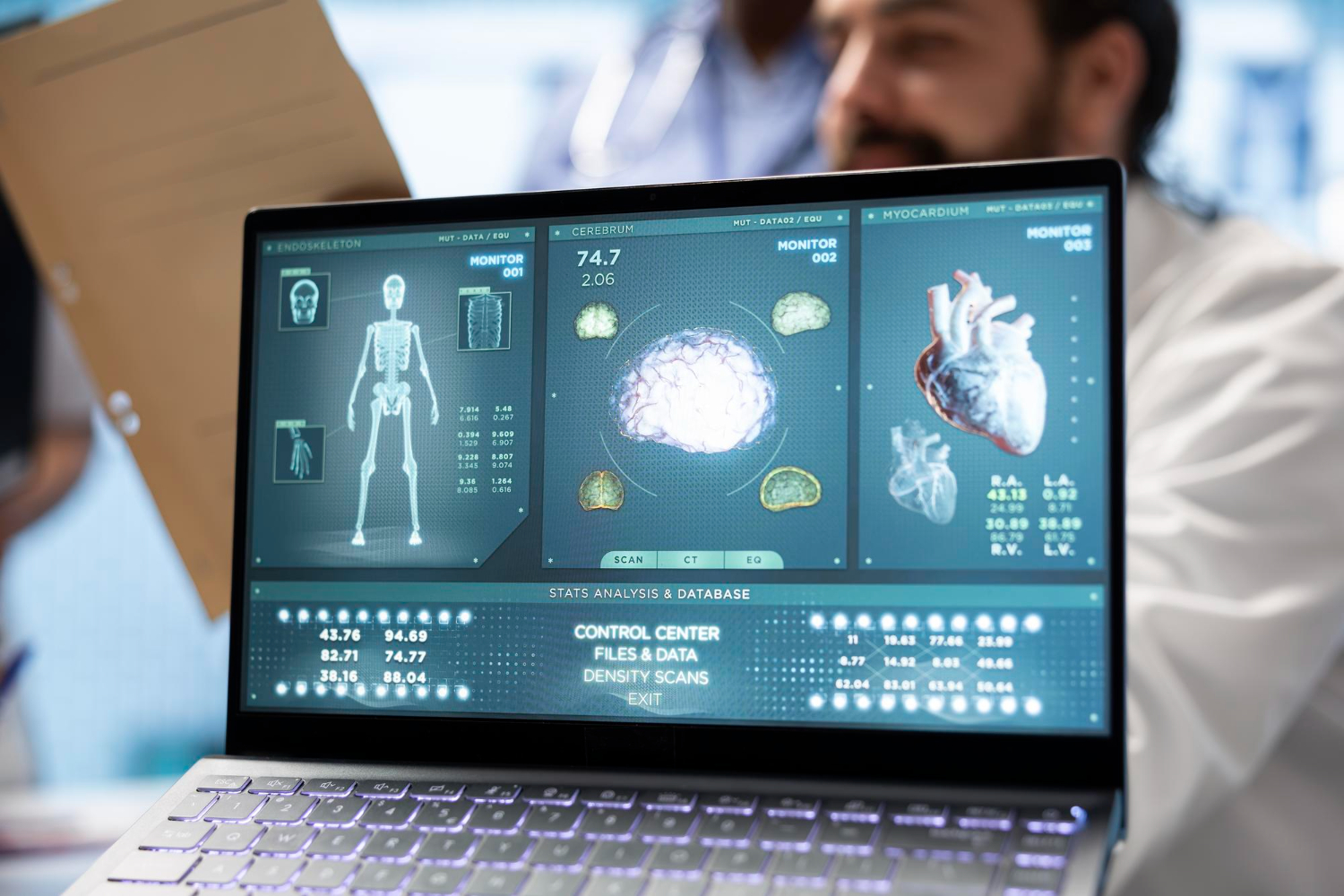
AI systems use deep neural networks to analyse patient data. These models learn from thousands of examples and predict outcomes. Natural language processing (NLP) allows AI to read clinical notes and research articles. It extracts key details and summarises findings. Large language models (LLMs) can generate reports and suggest possible diagnoses. This reduces time spent on manual reviews. AI also supports decision support tools that guide doctors through complex cases. These tools recommend tests and highlight potential risks.
AI in Treatment Planning
Treating rare disease cases often requires personalised care. AI helps by analysing genetic profiles and clinical histories. It predicts how patients will respond to different therapies. Deep learning models can simulate drug interactions and suggest alternatives. AI systems also monitor treatment progress and adjust plans in real time. This improves outcomes and reduces trial-and-error approaches. By performing specific tasks like dosage calculation and risk assessment, AI makes treatment safer and more efficient.
Read more: Visual analytic intelligence of neural networks
Key Technologies Behind AI in Rare Diseases
-
Deep Learning: Uses layered neural networks to learn patterns from data.
-
Natural Language Processing: Reads and interprets medical text for insights.
-
Large Language Models: Generate summaries and assist with documentation.
-
Learning Algorithms: Adapt to new data and improve predictions over time.
These technologies work together to process large amounts of data and support clinicians. They combine human intelligence with computer power to deliver accurate results.
Read more: Large Language Models in Biotech and Life Sciences
Ethical and Practical Considerations in AI Adoption
AI in rare disease care offers many benefits, but ethical and practical issues need attention. Transparency is essential. Clinicians must understand how algorithms reach conclusions. This builds trust and ensures informed decisions. Bias in data is another concern. Rare disease datasets are often small and uneven. AI systems trained on such data may produce inaccurate results. Continuous validation and updates are necessary to maintain reliability.
Cost is also a factor. Implementing AI requires investment in infrastructure and skilled teams. Smaller clinics may struggle with these demands. Cloud-based solutions can help by reducing upfront costs and providing scalable resources. Collaboration between hospitals, research centres, and technology providers is key to making AI accessible.
Patient consent and privacy remain critical. AI systems handle sensitive health records and genetic data. Organisations must comply with strict regulations and use secure protocols. Clear communication with patients about how their data is used is vital for trust.
Despite these challenges, AI adoption is growing. Advances in deep learning and large language models will make systems more accurate and affordable. With proper safeguards, AI can transform rare disease diagnosis and treatment, improving outcomes for millions of people worldwide.
Challenges and Considerations
AI adoption in rare disease care faces challenges. Data quality is critical. Poor or incomplete records can lead to errors. Bias in training data may affect predictions. Explainability is another concern. Doctors need to understand how AI reaches its conclusions. Privacy and security are also important. Systems must protect sensitive health information and comply with regulations. Despite these issues, AI continues to improve and gain trust in healthcare.
Read more: Visual Computing in Life Sciences: Real-Time Insights
Future Outlook
AI will play a bigger role in rare disease diagnosis and treatment. Advances in deep learning and neural networks will make predictions more accurate. LLMs will assist with research and documentation. Decision support systems will become standard in clinics. AI will also integrate with genomic analysis and imaging tools. This will create a complete picture of patient health and improve personalised care. As computer power grows, AI will handle even larger datasets and perform more complex tasks.
How TechnoLynx Can Help
TechnoLynx designs AI solutions for healthcare organisations. We use deep learning, NLP, and LLMs to support rare disease diagnosis and treatment. We build systems that process large amounts of data securely and deliver real-time insights. Our custom solutions assist with decision support, problem solving, and specific tasks like clinical documentation. We fine-tune models for rare disease applications to ensure accuracy and compliance. TechnoLynx combines human intelligence with advanced algorithms to improve patient care.
Contact us today to learn how we can help your organisation treat rare disease cases with precision and speed!
References
-
Beam, A.L. and Kohane, I.S. (2018). Big data and machine learning in health care. JAMA, 319(13), 1317–1318.
-
Esteva, A., et al. (2019). A guide to deep learning in healthcare. Nature Medicine, 25(1), 24–29.
-
Rajkomar, A., et al. (2019). Machine learning in medicine. New England Journal of Medicine, 380(14), 1347–1358.
-
Topol, E. (2019). Deep Medicine: How Artificial Intelligence Can Make Healthcare Human Again. Basic Books.
Image credits: Freepik