
Introduction
GPUs now sit at the heart of modern care. Hospitals and research teams depend on GPU-accelerated workflows to read medical images, analyse medical data, and support clinical decisions in real time. The shift makes sense. A GPU is a processing unit that excels at parallel processing. It pushes high performance across tasks that demand serious computational power. Clinicians get faster answers. Patients get better outcomes.
AI in healthcare rides this wave. Machine learning models need speed to train, test, and deploy safely. Teams process thousands of scans, streams, and signals each day. A single CPU thread slows under that load. A GPU thrives because it handles many operations at once (Owens et al., 2008; Nickolls et al., 2008). With strong architecture and careful engineering, sites move from overnight jobs to same‑hour results. That pace changes how teams plan treatment plans, allocate staff, and respond to risk (Topol, 2019).
Why GPUs fit healthcare work
Clinical tasks demand accuracy and speed. Radiologists read complex images. Oncologists compare tumour maps across time. Cardiology teams review flow and function with tight timing windows. These steps require models that parse dense signals at scale. GPUs solve this because they run thousands of small calculations together. That parallel processing turns raw pixels and numbers into clear features without delay (Owens et al., 2008).
This is not just theory. Researchers showed early gains when they moved medical image pipelines to GPUs. They cut reconstruction and filtering time and kept accuracy stable (Shams et al., 2010; Stone et al., 2008). Deep learning models then pushed the curve further. Convolutional networks hit strong accuracy in medical image analysis once training ran on GPUs with tuned memory and batch strategies (Litjens et al., 2017; Esteva et al., 2017). Teams saw faster inference too, so clinics could respond in real time rather than wait on backlogs.
Medical images at clinical speed
Radiology needs consistent quality and quick reads. MRI and CT produce large studies with 3D stacks. Each study taxes storage and compute. GPUs clean and align frames, segment organs, and score lesions quickly. They also handle multi‑phase scans where timing matters, such as perfusion or contrast studies. Engineers write kernels that streamline memory access and reduce overhead, so inference stays stable at high load (Shams et al., 2010; Litjens et al., 2017).
Research backs this up. Teams accelerated MRI reconstruction with GPUs and cut processing time by large margins while keeping clinical fidelity (Stone et al., 2008). Others used GPU accelerated pipelines for detection on dermatoscopic images and reached expert‑level performance with practical throughput (Esteva et al., 2017). When radiology workflows shift from minutes to seconds, emergency care changes. Stroke teams act faster. Trauma teams triage sooner. Doctors adjust treatment plans with current evidence rather than stale batches.
Read more: Pharma 4.0: Driving Manufacturing Intelligence Forward
Medical data beyond images
Clinics handle streams that go far beyond pixels. Wearables feed heart rates, oxygen saturation, and movement. Labs send panels each hour. Oncology teams track genomic variants. GPUs help by pushing machine learning across these features in near real time. Models spot drift, rank risk, and flag outliers. Staff focus on the signals that matter most to patient safety and cost (Topol, 2019; Zou et al., 2019).
In genomics, researchers use GPUs to run variant calling and model complex sequence patterns. In digital pathology, teams tile gigapixel slides and run patch‑based inference at scale. In both cases, gpu accelerated training and inference cut turnaround time and keep quality high (Litjens et al., 2017; Zou et al., 2019). That speed affects real clinical choices. Multidisciplinary boards meet with current data. Doctors change therapy sooner when a pattern shifts.
Planning and personalising care
Care teams need precise therapy decisions. GPUs help by making risk scores, response predictions, and image‑guided metrics available on demand. Models review serial scans, recent labs, and historical outcomes. Doctors see ranked options rather than a long list of raw numbers. They adjust treatment plans with confidence. Oncology teams, for example, track tumour volume trends and texture features. They decide on dose changes or new lines with stronger evidence (Aerts et al., 2014; Litjens et al., 2017).
Dose calculation in radiotherapy gives a clear case. Groups built GPU pipelines for accurate dose maps and cut compute time from long runs to practical clinic windows (Gu et al., 2011). When planners see fresh dose metrics in the same session, they iterate on beams and constraints right away. Patients benefit because the plan reflects the latest anatomy and motion, not yesterday’s snapshot.
Inside the processing unit
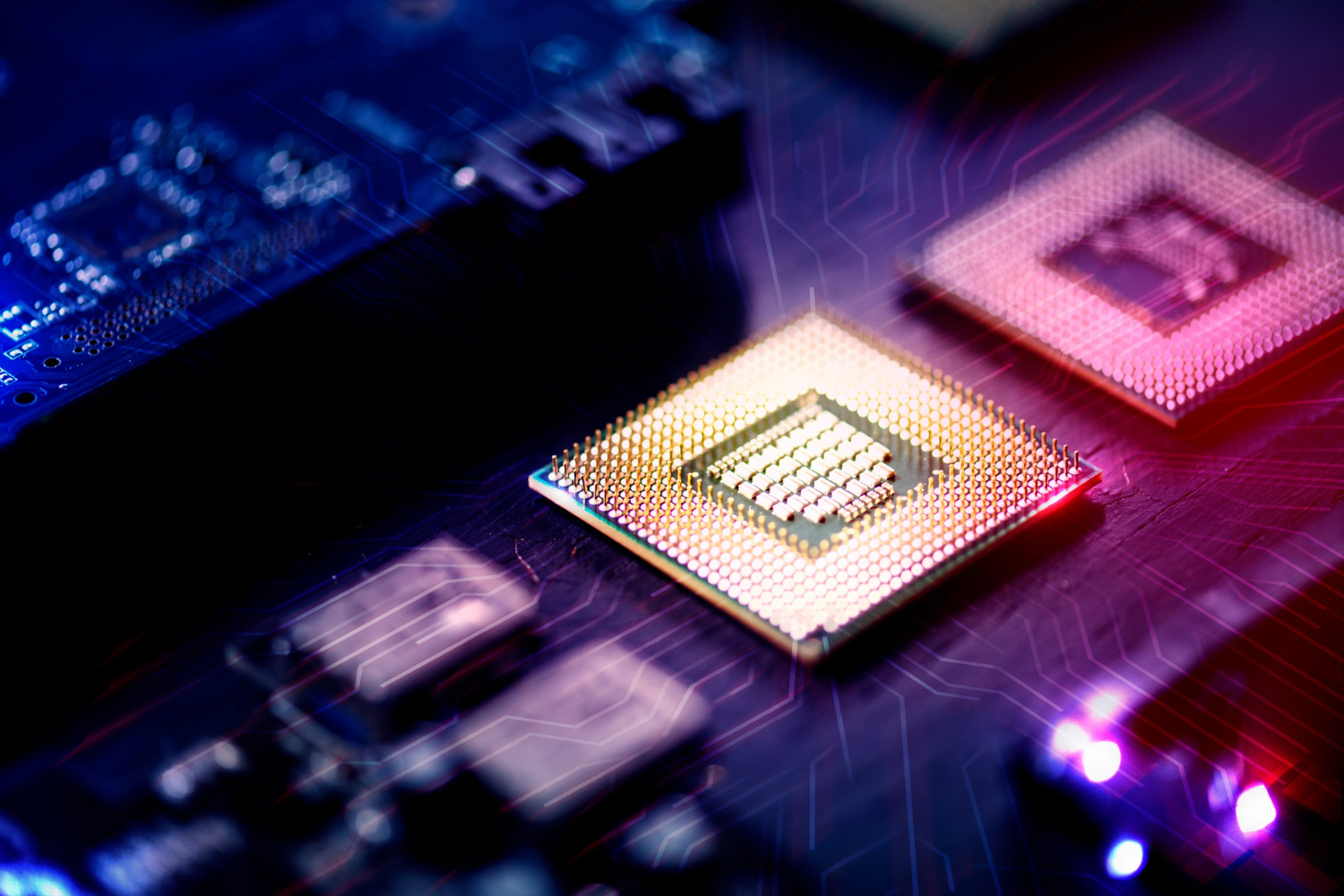
A GPU earns its speed by design. It contains many cores that run the same instruction on different data. That pattern fits image processing and classical linear algebra. Engineers map convolutions, matrix multiplies, and pooling to those cores. They schedule work to minimise stalls. They keep memory coalesced and reduce copies. With those steps, models reach high performance at steady latency (Nickolls et al., 2008; Owens et al., 2008).
Teams also watch precision modes. Mixed precision, with FP16 or INT8, cuts memory and boosts throughput without harming clinical accuracy when they calibrate correctly. They validate against full‑precision baselines and watch edge cases. With sound practice, hospitals gain throughput while keeping trust intact (Litjens et al., 2017).
Read more: Machine Vision Applications in Pharmaceutical Manufacturing
Building robust, real‑time pipelines
Hospitals need results now, not later. Engineers design pipelines that stream images and signals into GPU queues and return outputs in real time. They batch smartly to use compute without adding delay. They split large volumes across multiple cards when needed. They test under heavy load and watch tail latency. Doctors then rely on dashboards that update as scans arrive. They do not wait for overnight scripts or manual exports (Shams et al., 2010; Litjens et al., 2017).
Teams also balance edge and data‑centre options. Some devices run small models near the scanner to pre‑filter frames. Others send batches to a central cluster for full analysis. Both paths use GPUs to keep latency low and accuracy high. With clear routing and audit trails, clinics stay compliant and fast (Topol, 2019).
Machine learning in the clinic
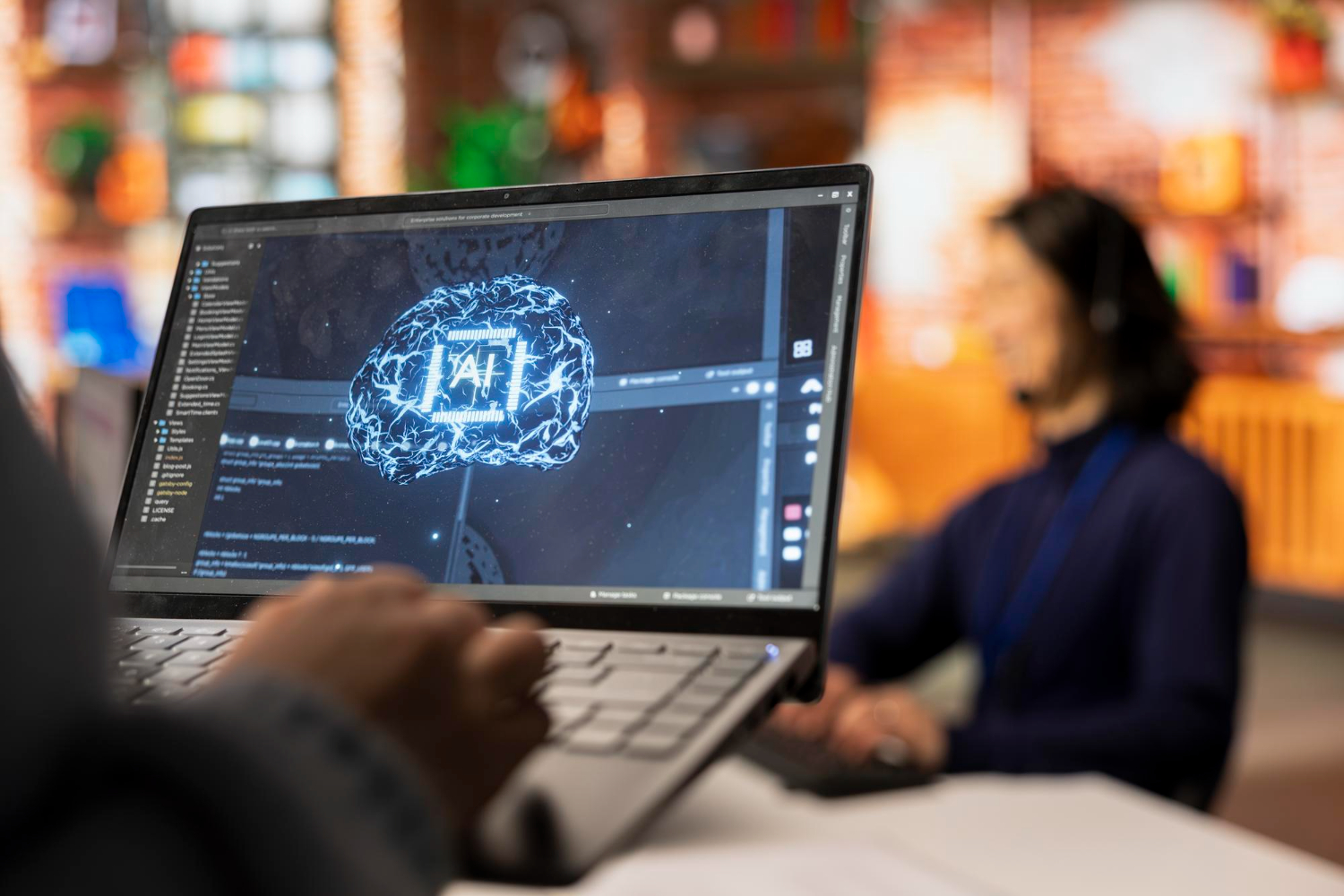
Models do not live in isolation. They sit inside systems that feed results to people and records. Engineers wrap inference with checks, logs, and fallbacks. They monitor drift and retrain with new cohorts. They compare against human reads and document gaps. GPUs give the throughput to support this full life cycle. Teams retrain often and keep models current with changing devices and protocols (Litjens et al., 2017; Zou et al., 2019).
Care teams also need simple views. A score means little without context. Good systems show examples, heatmaps, and trends. They explain why a risk changed and what factor drove it. Doctors use that detail to act rather than guess (Topol, 2019).
Costs, safety, and practical steps
Speed alone does not solve clinical needs. Sites must control cost, validate outputs, and protect privacy. GPU clusters demand cooling, power, and safe access. Engineers plan resource pools and set fair queues. They track usage, set quotas, and keep systems stable for peak hours. With sound design, hospitals gain speed without spiralling run costs (Owens et al., 2008).
Validation matters even more. Teams compare outputs with clinical ground truth and strong benchmarks. They check all subgroups, watch scanner differences, and test across sites. They report failure modes and define manual review rules. This discipline turns computational power into safe care (Litjens et al., 2017; Topol, 2019).
Read more: Automated Visual Inspection Systems in Pharma
A short note on history and direction
GPUs started in graphics. Researchers saw the fit for data‑parallel problems and wrote the first general kernels. Those steps opened the door to model training and image analysis at scale (Nickolls et al., 2008; Owens et al., 2008). Healthcare teams then adopted the same ideas for medical images, dose maps, and signal streams (Shams et al., 2010; Gu et al., 2011). The field keeps moving. New cards add memory and cores. Tooling simplifies kernel work. Mixed precision and compiler aids lift throughput further. Clinics benefit because models grow stronger while latency drops.
TechnoLynx can help
TechnoLynx designs GPU-accelerated healthcare systems from concept to deployment. Our engineers build parallel processing pipelines for medical images and medical data. We optimise the processing unit, memory, and kernels to reach high performance in real time.
We tune machine learning models for clinical accuracy and safe throughput. We integrate outputs into workflows that doctors trust and teams can audit.
Contact TechnoLynx today to bring GPU speed into your AI in healthcare projects and turn faster computation into better treatment plans.
References
-
Aerts, H.J.W.L., Velazquez, E.R., Leijenaar, R.T.H., Parmar, C., Grossmann, P., Carvalho, S., et al. (2014) Decoding tumour phenotype by noninvasive imaging using a quantitative radiomics approach. Nature Communications, 5, 4006.
-
Beam, A.L. and Kohane, I.S. (2018) Big data and machine learning in health care. JAMA, 319(13), pp. 1317–1318.
-
Esteva, A., Kuprel, B., Novoa, R.A., Ko, J., Swetter, S.M., Blau, H.M. and Thrun, S. (2017) Dermatologist‑level classification of skin cancer with deep neural networks. Nature, 542(7639), pp. 115–118.
-
Esteva, A., et al. (2019) A guide to deep learning in healthcare. Nature Medicine, 25(1), pp. 24–29.
-
Gu, X., Jia, X., Jiang, S.B., Graves, Y.J., Li, H.H., Folkerts, M. and Jiang, S. (2011) GPU‑based ultra‑fast dose calculation using a finite size pencil beam model. Physics in Medicine and Biology, 56(5), pp. 143–155.
-
Litjens, G., Kooi, T., Bejnordi, B.E., Setio, A.A.A., Ciompi, F., Ghafoorian, M., et al. (2017) A survey on deep learning in medical image analysis. Medical Image Analysis, 42, pp. 60–88.
-
Nickolls, J., Buck, I., Garland, M. and Skadron, K. (2008) Scalable parallel programming with CUDA. ACM Queue, 6(2), pp. 40–53.
-
Owens, J.D., Houston, M., Luebke, D., Green, S., Stone, J.E. and Phillips, J.C. (2008) GPU computing. Proceedings of the IEEE, 96(5), pp. 879–899.
-
Rajkomar, A., Dean, J. and Kohane, I. (2019) Machine learning in medicine. The New England Journal of Medicine, 380(14), pp. 1347–1358.
-
Rajpurkar, P., Irvin, J., Zhu, K., Yang, B., Mehta, H., Duan, T., et al. (2017) CheXNet: Radiologist‑level pneumonia detection on chest X‑rays with deep learning. arXiv preprint arXiv:1711.05225.
-
Shams, R., Sadeghi, P., Kennedy, R.A. and Hartley, R.I. (2010) A survey of medical image processing on GPUs. Journal of Real‑Time Image Processing, 3(3), pp. 173–196.
-
Stone, S.S., Haldar, J.P., Tsao, S.C., Hwang, N., Poulsen, H., Aksoy, M., et al. (2008) Accelerating advanced MRI reconstruction on GPUs. Journal of Parallel and Distributed Computing, 68(10), pp. 1307–1318.
-
Topol, E. (2019) Deep Medicine: How Artificial Intelligence Can Make Healthcare Human Again. New York: Basic Books.
-
Vamathevan, J., Clark, D., Czodrowski, P., Dunham, I., Ferran, E., Lee, G., et al. (2019) Applications of machine learning in drug discovery and development. Nature Reviews Drug Discovery, 18(6), pp. 463–477.
-
Zou, J., Huss, M., Abid, A., Mohammadi, P., Torkamani, A. and Telenti, A. (2019) A primer on deep learning in genomics. Nature Genetics, 51, pp. 12–18.
Image credits: Freepik